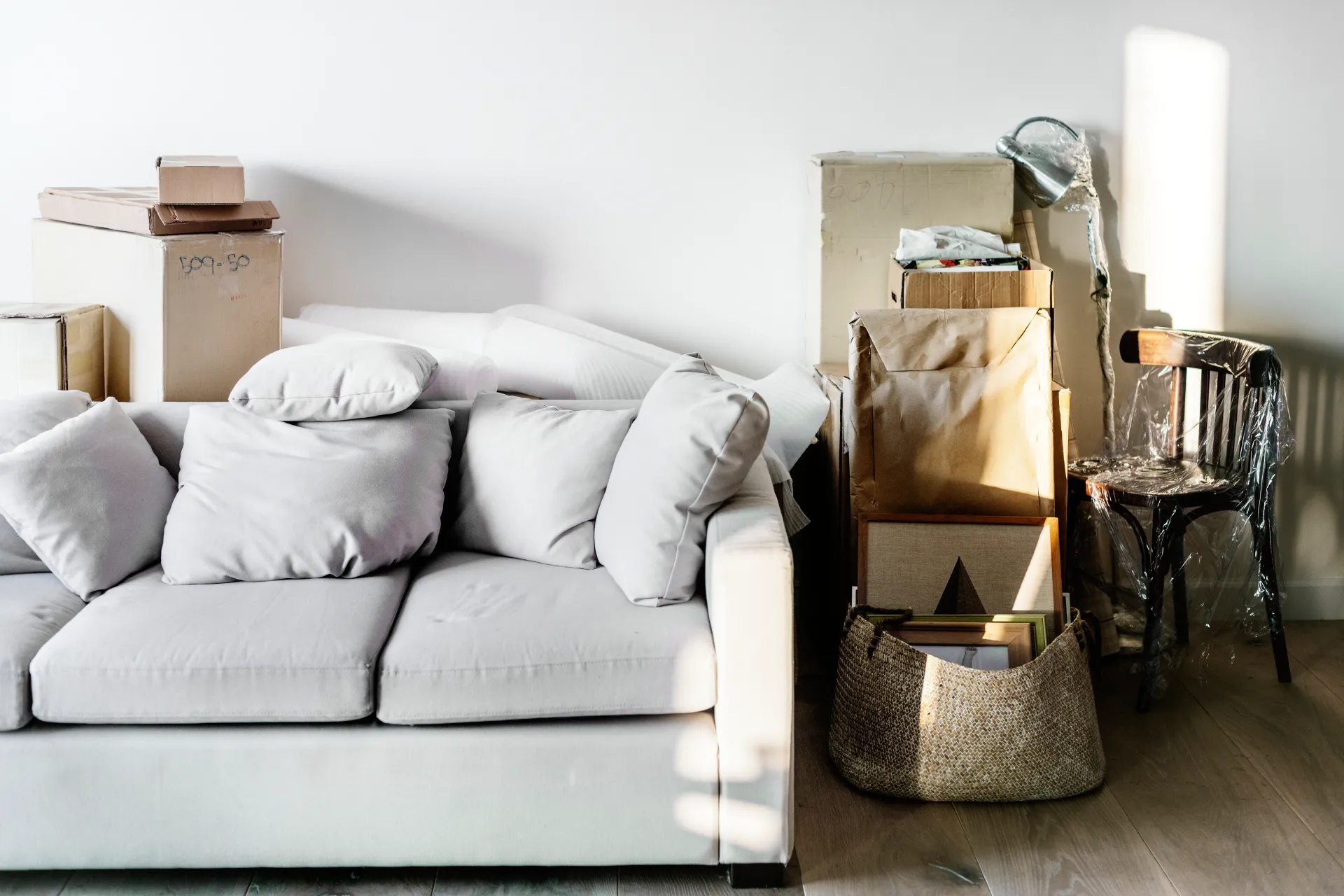
Hard rubbish collection plays a vital role in keeping homes, businesses, and communities across Adelaide clean, safe, and clutter-free. Whether you’re a resident clearing out unwanted household items or a business managing bulky waste after a renovation or clean-up, understanding what hard rubbish is — and how to dispose of it properly — helps ensure efficient waste management and prevents illegal dumping.
This guide explains everything you need to know about hard waste, including what items are suitable for hard rubbish collection, what cannot go in hard rubbish, and the best options for disposal when council services aren’t suitable. By learning how hard rubbish collection services work, you can plan ahead for your collection date, avoid unnecessary fees, and get rid of waste items safely and responsibly.
For Adelaide residents and businesses alike, knowing how to handle hard waste collections correctly supports recycling efforts, protects the local community, and ensures unwanted items are collected efficiently and properly.
What Is Considered Hard Rubbish?
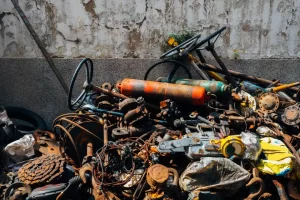
Hard rubbish, also known as hard waste, refers to large, bulky items that cannot fit in a standard rubbish bin and are not suitable for regular household rubbish collection. These items typically include furniture, appliances, mattresses, and other bulky household or business waste items that require specialised waste removal.
In Adelaide, hard waste collections are commonly managed through council scheduled collection programs or private hard rubbish removal services. Hard rubbish does not include everyday trash, green waste, liquids, or hazardous materials. Instead, it focuses on solid items that are no longer usable, difficult to transport, or too heavy for standard bin disposal.
What Can You Put in Hard Rubbish?
Hard rubbish collection services are designed to collect unwanted bulky items from households and businesses in a safe and efficient manner. Items accepted typically include furniture, appliances, mattresses, and other large household or commercial waste items that are suitable for hard rubbish disposal.
Before putting items out for collection, it’s important to check with your local council or waste removal provider. Each council in Adelaide may have specific guidelines regarding accepted materials, load limits, and how items should be placed for pickup to ensure they can be collected safely.
Furniture and Household Items
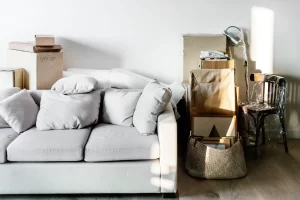
Furniture such as couches, chairs, tables, wardrobes, desks, and bookshelves typically include items suitable for hard rubbish collection. These bulky items are common during home clean-ups, office relocations, renovations, or when residents and businesses are decluttering unwanted household or workplace furniture.
Whitegoods and Appliances
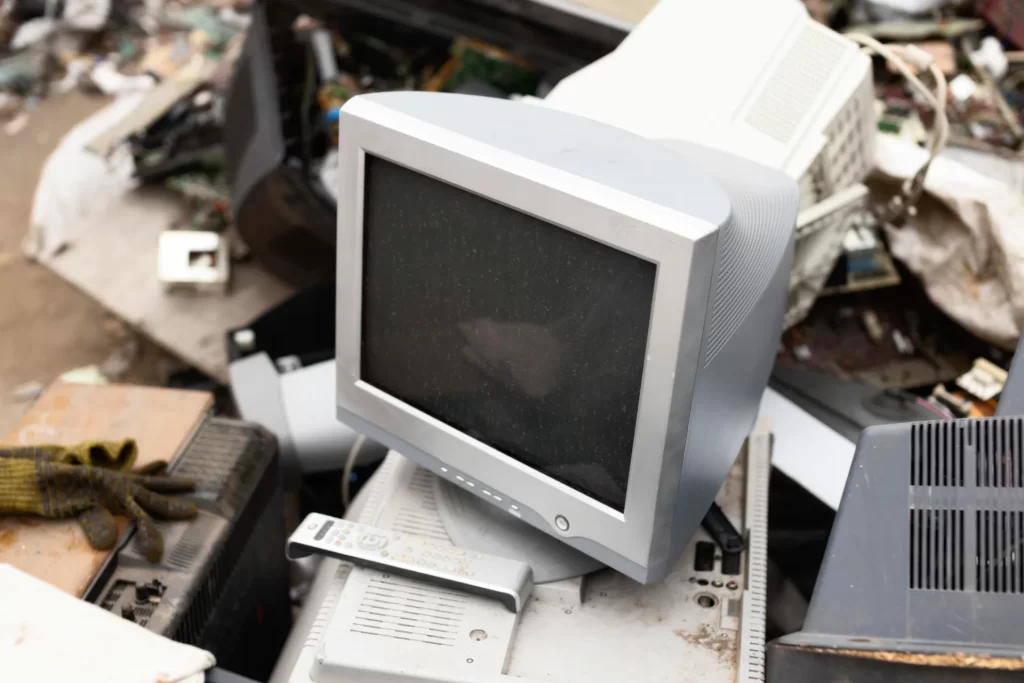
Large appliances such as fridges, washing machines, dryers, dishwashers, ovens, and other whitegoods are generally accepted in hard waste collections. These items must be empty, disconnected, and safe to handle before collection to ensure proper waste removal and recycling where possible.
Mattresses and Bedding
Mattresses, bed frames, and bulky bedding items can go in hard rubbish collection services. Mattresses are a common hard waste item for both residents and accommodation providers across Adelaide and should be placed neatly for pickup on the scheduled collection date.
What Can You Put Out for Hard Rubbish Collection?
You can put out a wide range of bulky household and business waste items for hard rubbish collection, provided they meet council or service provider guidelines. Items should be placed on the nature strip or designated pickup area without blocking footpaths, driveways, or access points.
Hard waste collection services aim to collect items efficiently while supporting recycling and proper waste management. Placing suitable items out correctly helps prevent delays, missed collections, and unnecessary clutter on streets and commercial properties.
What Items Are Unwanted and Not Accepted in Hard Waste Collections?
Not all waste items are accepted in hard rubbish collection services. Certain materials cannot go in hard rubbish due to safety risks, environmental concerns, or handling limitations. Putting restricted items out may result in missed collection or additional fees.
Hazardous Waste
Hazardous waste such as asbestos, chemicals, batteries, gas bottles, and medical waste cannot go in hard rubbish. These materials require specialised disposal to ensure they are handled safely and do not pose a risk to people or the environment.
Liquids
Liquids of any kind, including oils, chemicals, cleaning products, and other fluids, are not accepted in hard waste collections. Liquids can spill during pickup, creating safety hazards and environmental damage.
Paint
Paint, including tins with wet or dried paint, cannot go in hard rubbish collection services. Paint should be taken to approved recycling centres or disposal facilities that accept hazardous materials.
Petrol
Petrol and other fuels are strictly prohibited in hard rubbish collection. These highly flammable materials must be disposed of safely through licensed waste management services.
How to Dispose of Hard Rubbish If It’s Not Accepted
If your waste items are not suitable for hard rubbish collection, there are several alternative disposal options available for Adelaide residents and businesses. Choosing the right option helps ensure waste is disposed of properly, safely, and in line with environmental regulations.
Understanding your options can also prevent illegal dumping, reduce clutter, and support responsible recycling and waste management across the city.
Alternative Disposal Options
Alternative disposal options include donating usable furniture or clothes, arranging specialised waste removal for construction waste, or using approved transfer stations. Donating suitable items supports the local community and helps reduce landfill waste.
Recycling Centres
Recycling centres across Adelaide accept a wide range of materials, including cardboard, appliances, metals, green waste, and electronic waste. Recycling ensures materials are processed responsibly and reduces the environmental impact of waste disposal.
Booking Private Collection Services
Booking a private hard rubbish removal service is ideal when items cannot fit council requirements, exceed load limits, or require flexible pickup times. Private services offer efficient waste removal, tailored quotes, and the ability to handle larger or mixed waste loads from homes, renovations, or businesses.
Hard Rubbish Removal vs Council Collection
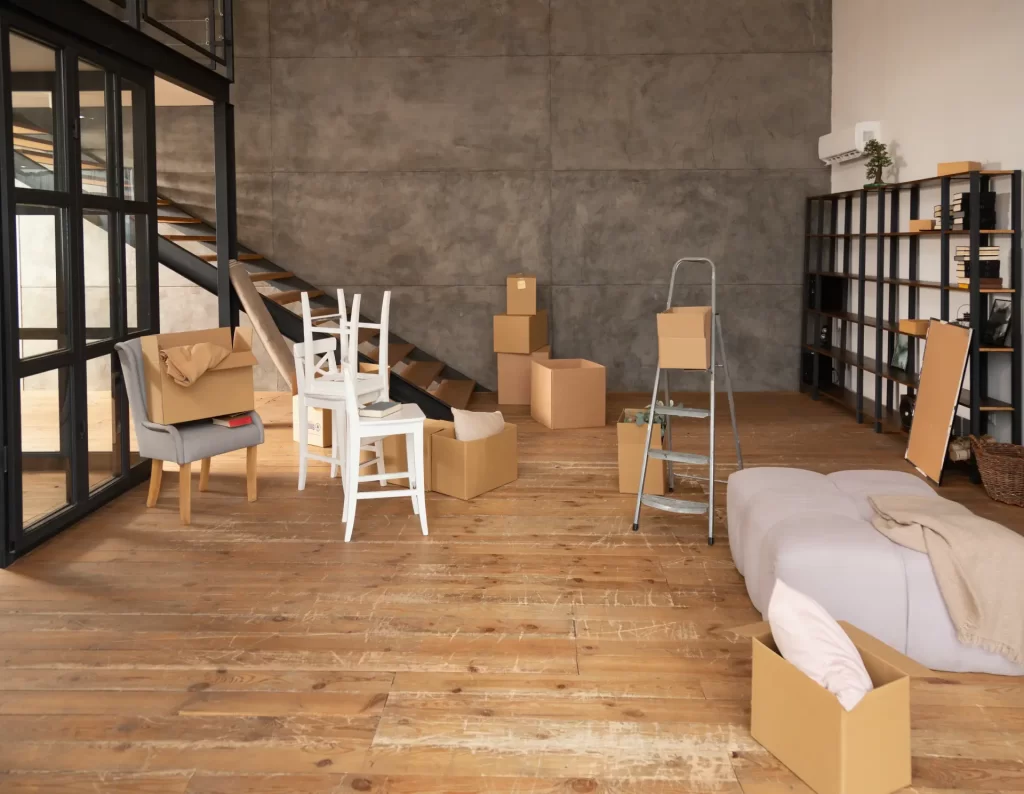
Choosing between council hard waste collections and private hard rubbish removal depends on your needs, timing, and the type of waste you need to get rid of. Council collection services are typically scheduled and free or low-cost for residents, while private services offer greater flexibility.
Pros and cons to consider:
- Council collection services follow scheduled collection dates
- Private removal allows flexible booking and faster pickup
- Council services may have strict limits on accepted items
- Private services can handle mixed or larger waste loads
- Private removal reduces the risk of illegal dumping or missed collections
Can You Put Cardboard in Hard Rubbish?
Cardboard is generally not accepted in hard rubbish collection and should be placed in your recycling bin or taken to a recycling centre instead. This applies to households and businesses, as cardboard is classified as recyclable material rather than hard waste. Large volumes of cardboard from renovations, office clean-outs, or commercial deliveries may require a separate rubbish removal or recycling service, as they often cannot fit in a standard bin. To avoid missed collections or compliance issues, it’s always best to check with your local council before putting cardboard out for hard rubbish pickup.
Can You Put Polystyrene in Hard Rubbish?
Polystyrene usually cannot go in hard rubbish collections due to recycling limitations and handling challenges. Because it is lightweight and breaks apart easily, polystyrene can contaminate other waste items and is commonly excluded from council hard waste collection services across Adelaide. Homeowners and businesses should instead take polystyrene to a specialist recycling centre that accepts this material, particularly after appliance deliveries, renovations, or packaging disposal, to ensure it is disposed of safely and responsibly.
Can Clothes Go in Hard Rubbish?
Clothes are typically not suitable for hard rubbish collection, as textiles are not considered bulky waste items. Usable clothing should be donated to charities or community organisations to support reuse and reduce landfill waste, while damaged or worn-out clothes may need to be taken to textile recycling programs or approved waste facilities. For businesses or large clean-ups involving clothing waste, arranging a separate waste removal service may be necessary, and it’s always recommended to check with your local council before placing clothes out for collection.
Hard Waste Collection Service Made Simple
Managing hard rubbish doesn’t need to be complicated. With the right planning, understanding what items are suitable for hard waste collections, and choosing the appropriate service, both homeowners and businesses can get rid of unwanted items efficiently.
By following local council guidelines or arranging professional rubbish removal, you help maintain clean streets, support recycling efforts, and protect Adelaide’s community from clutter and illegal dumping.
Conclusion
Hard rubbish collection is an essential part of responsible waste management for Adelaide residents and businesses. Knowing what can and cannot go in hard rubbish helps ensure items are collected safely, efficiently, and in line with council and environmental requirements.
Whether you rely on a scheduled council collection or choose a private hard rubbish collection service, proper disposal supports recycling, reduces landfill waste, and keeps homes, businesses, and public spaces clean and organised.
Contact Cluster Services today to request a quote or book a hard rubbish collection service, and let us help you get rid of unwanted waste with confidence.
Frequently Asked Questions Regarding Hard Rubbish Removal
1. What is hard rubbish?
Hard rubbish includes bulky household or business items that cannot fit in a standard rubbish bin.
2. How do I book a hard rubbish collection in Adelaide?
Residents can book through their local council or arrange private rubbish removal services.
3. Is hard rubbish collection free?
Some councils offer free scheduled collections, while private services charge a fee based on load size.
4. What items typically include hard rubbish?
Furniture, appliances, mattresses, and bulky household items.
5. What cannot go in hard rubbish?
Hazardous waste, liquids, paint, petrol, green waste, and construction waste.
6. Can businesses use hard rubbish collection services?
Yes, businesses can arrange council services where available or book private waste removal.
7. Do you provide bins or skip bin hire?
No, we do not provide any bin or skip bin hire services.
8. What happens if items cannot fit collection guidelines?
You may need alternative disposal options or private rubbish removal.
9. How can I avoid illegal dumping?
Use approved waste collection services and follow council disposal rules.
10. Can I get a quote for private hard rubbish removal?
Yes, private services can provide tailored quotes based on your waste removal needs.