Understanding the different types of rubbish is essential for proper waste disposal, whether you’re managing household rubbish at home or overseeing waste streams for a business or facility in Adelaide. Rubbish and waste come in many forms, and knowing the type of rubbish you’re dealing with helps ensure it is disposed of safely, legally, and responsibly.
Incorrect waste disposal can lead to serious environmental damage, health and safety risks, and compliance issues. Waste can pollute soil and waterways, create hazards in workplaces and public areas, and contribute to growing volumes of waste in landfills. In South Australia alone, tonnes of waste per year are generated across homes, businesses, and industrial sites, making proper waste management more important than ever.
For homeowners, businesses, and facilities across Adelaide, knowing the different types of waste and how to dispose of your waste correctly supports cleaner communities and more efficient operations. At Cluster Services, we bring professional expertise in waste removal, cleaning, and maintenance services, helping clients manage waste safely, efficiently, and in line with local regulations.
Why Proper Waste Disposal Matters
Proper waste disposal plays a critical role in protecting the environment. When waste is incorrectly handled, waste can pollute land, waterways, and ecosystems. Organic waste in landfills generates methane, while plastic waste comes from many sources and can persist in the environment for decades. Correct waste separation, recycling, and disposal reduce the impact of waste materials on the environment.
In South Australia, waste is regulated by government and local councils, with strict rules around hazardous waste, liquid waste, construction waste, and medical waste. Failing to comply can result in fines, penalties, and reputational damage for businesses. Hazardous waste is regulated due to the serious risks it poses if disposed of incorrectly.
There are also clear health and safety considerations. Waste like medical or hazardous waste can lead to injuries, contamination, and illness if not handled properly. Overloaded bins, mixed waste, or waste put into the bin without knowing the different types can create unsafe conditions in workplaces and residential areas.
Finally, proper waste disposal and recycling can deliver cost savings. Waste management is best achieved through correct separation, reduced landfill waste, and efficient rubbish removal services. By understanding waste types, both homeowners and businesses can streamline removal needs and reduce unnecessary disposal costs.
The 10 Types of Rubbish Explained
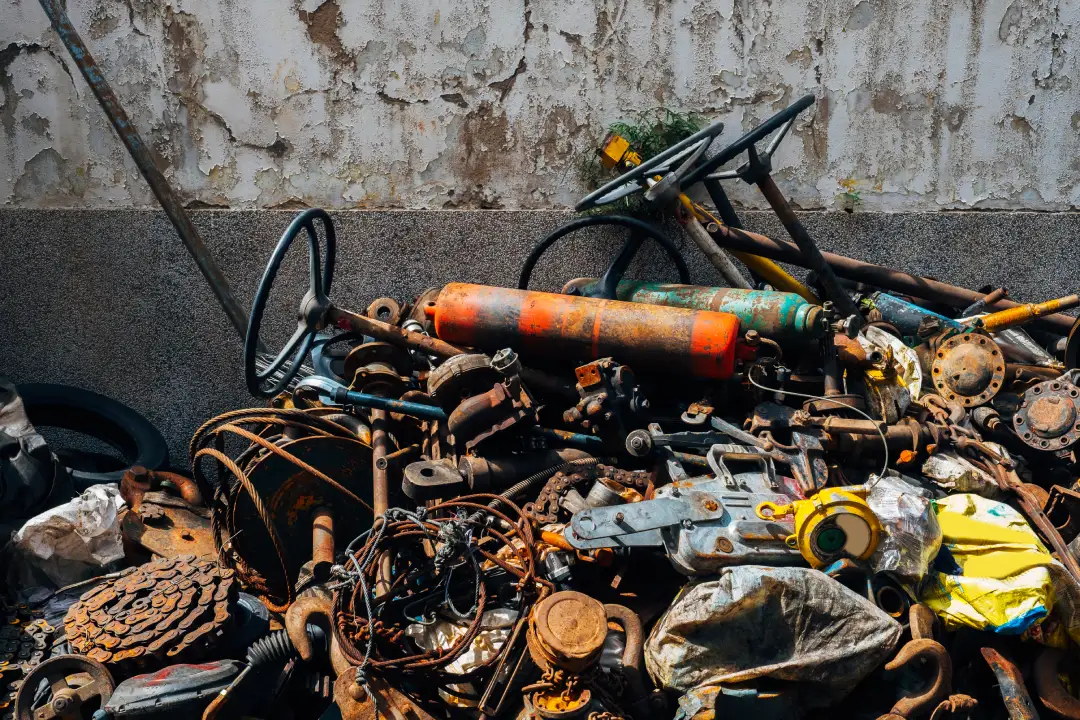
Understanding the different types of rubbish helps ensure waste is classified correctly and disposed of responsibly. Waste is usually categorised based on its source, material, and risk level, and each waste type requires specific handling and disposal methods. Below are the most common types of rubbish you would encounter in households, businesses, and facilities across Adelaide.
Knowing these common types of rubbish makes it easier to choose the right bin, skip bin, or rubbish removal service, and helps avoid contamination, compliance issues, and environmental harm.
1. General Waste
General waste is the most common type of rubbish found in homes and workplaces. It includes non-recyclable and non-hazardous items that cannot be reused or recycled. General household waste often ends up as landfill waste when no other disposal option is available.
Examples include food-contaminated packaging, broken household items, nappies, and general household rubbish. A common mistake is placing recyclable waste or hazardous items into the general waste bin, which increases waste in landfills and reduces recycling efficiency.
2. Recyclable Waste
Recyclable waste refers to items that can be processed and reused, such as paper, cardboard, glass, metals, and many types of plastic waste. Recyclable waste refers to items that are clean, dry, and free from contamination.
Recyclable waste refers to items placed in a recycling bin, but waste into the bin without proper sorting can contaminate entire loads. Plastic waste comes in many types, and not all plastics are recyclable, making it important to understand local Adelaide recycling guidelines.
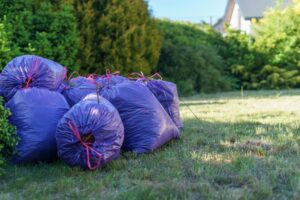
3. Organic Waste (Green Waste & Food Waste)
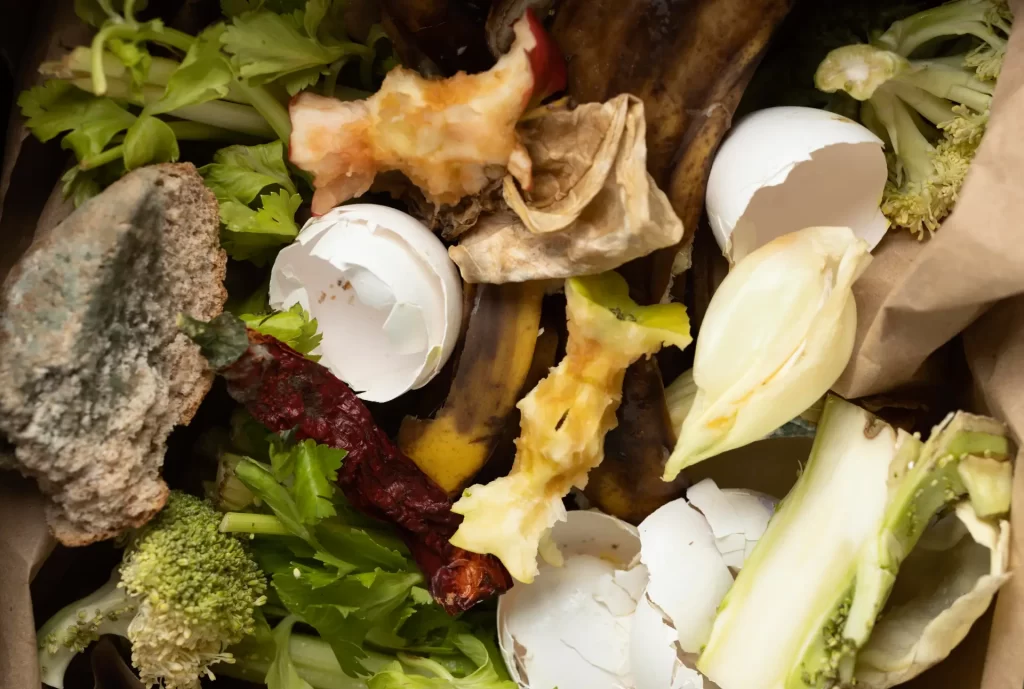
Organic waste includes food waste, garden waste, and other biodegradable materials. Green waste includes grass clippings, leaves, branches, and pruning, while food waste includes scraps from kitchens in homes, offices, and hospitality settings.
Organic waste in landfills contributes to greenhouse gas emissions, which is why green waste collection and composting are encouraged in Adelaide. Proper disposal options include green waste bins, compost systems, and professional green waste removal services.
4. Hazardous Waste
Hazardous waste includes chemicals, paints, solvents, aerosol cans, batteries, waste detergents, and cleaning products. Hazardous waste is regulated because it can cause serious harm to people, property, and the environment.
Disposed of hazardous waste incorrectly can lead to fires, pollution, and health risks. Safe handling and disposal usually require licensed waste removal experts and specialised disposal facilities in South Australia.
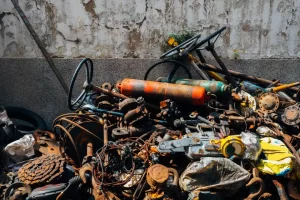
5. Electronic Waste (E-Waste)
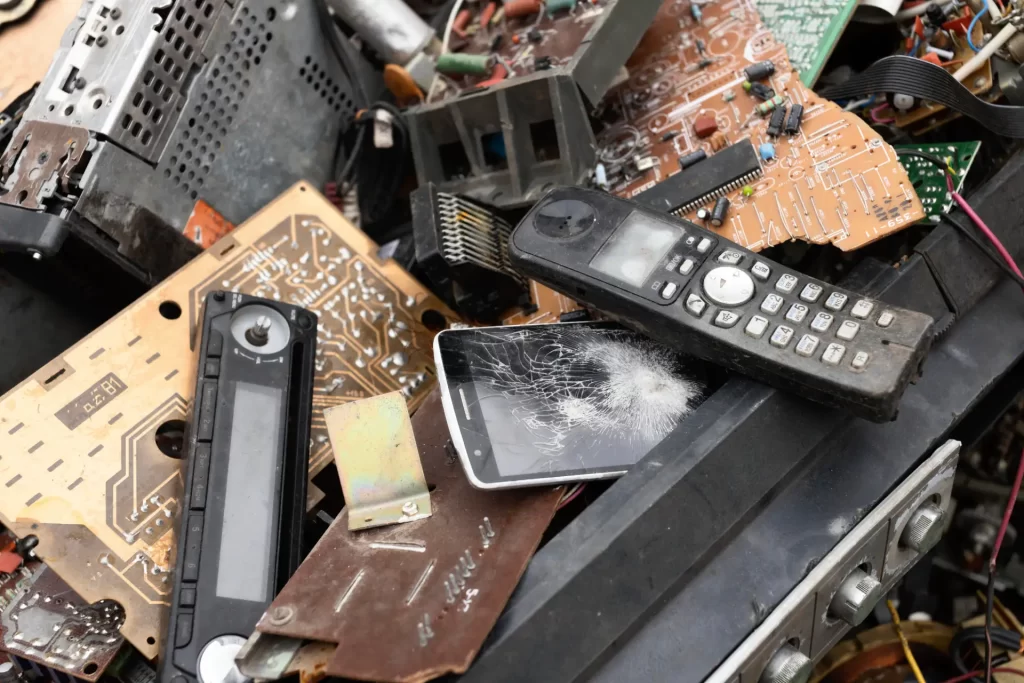
Electronic waste, also known as electrical waste, includes computers, phones, appliances, cables, and batteries and electronic waste. These items contain valuable materials but also hazardous components.
When electronic waste is improperly disposed of, it can release toxins into the environment. Recycling and collection programs across Adelaide help ensure electronic waste is safely processed and kept out of landfill waste.
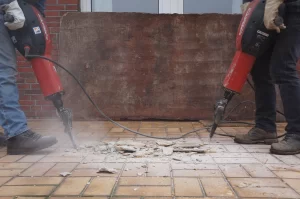
6. Construction and Demolition Waste
Construction and demolition waste includes concrete, bricks, timber, metals, and rubble generated from building and renovation projects. Solid waste include heavy materials that require specialised handling.
Construction waste and demolition waste must be managed by licensed waste removal companies to ensure compliance, safety, and proper disposal or recycling where possible.
7. Medical and Clinical Waste
Medical waste includes sharps, PPE, contaminated materials, and waste like medical supplies. This waste type is strictly regulated due to its health risks.
Medical waste must be handled, stored, and disposed of using approved methods. Professional waste removal and disposal services are essential for clinics, facilities, and businesses dealing with this special waste.
8. Liquid Waste
Liquid waste includes oils, grease, wastewater, natural liquid waste, and manufactured liquid waste. Knowing that liquid waste is different from solid waste is critical, as improper disposal can damage plumbing and pollute waterways.
Liquid waste disposal requires specialised treatment and licensed removal services. Waste can be found in commercial kitchens, workshops, and industrial settings across Adelaide.
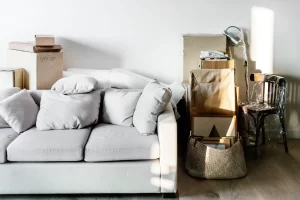
9. Bulk and Hard Waste
Bulk and hard waste includes furniture, mattresses, whitegoods, and large household rubbish items. These common types of rubbish often exceed standard bin capacity.
Council collections may be available, but professional rubbish removal services offer faster, more flexible solutions for both households and businesses with removal needs.
10. Commercial and Industrial Waste
Commercial and industrial waste includes office waste, retail waste, hospitality waste, and industrial waste streams. Waste include packaging, solid waste, mixed waste, and recyclable materials.
Tailored waste management and rubbish removal services help businesses manage different types of waste efficiently, reduce waste in landfills, and ensure compliance with South Australian regulations.
Common Waste Disposal Mistakes to Avoid
One of the most common mistakes is mixing recyclable waste with general waste or disposing of different types without understanding the waste type. This leads to contamination, increased landfill waste, and missed recycling opportunities. Many people don’t realise how many different types of rubbish they handle daily.
Another major issue is disposing of hazardous waste, medical waste, or liquid waste incorrectly. Ignoring local regulations, overloading a waste bin, or using the wrong container can result in fines, safety risks, and environmental damage. Knowing the different types and proper disposal of waste is essential.
How Professional Waste Management Helps
Professional waste management ensures proper waste disposal in line with South Australian regulations. A reliable waste removal company helps ensure hazardous waste is regulated, recyclable waste is processed correctly, and waste materials are handled safely.
For homeowners and businesses, professional waste removal services improve cleanliness, reduce risks, and save time. Waste management experts help reduce waste into landfills, lower costs, and provide peace of mind through compliant removal and disposal.
Waste Disposal Solutions in Adelaide
Effective waste disposal requires experience, local knowledge, and reliable systems. Professional rubbish removal services, waste management support, and cleaning solutions play a vital role in managing common types of rubbish across Adelaide.
Choosing a trusted local removal company ensures waste comes from source waste streams is handled correctly. Cluster Services supports safe, efficient waste management with tailored rubbish removal service options for households and businesses, covering everything from general household rubbish to special waste and construction waste.
Conclusion
Understanding the 10 different types of rubbish is key to proper waste disposal. From general waste and recyclable waste to hazardous waste, liquid waste, and construction waste, each waste type requires specific handling.
Proper disposal of waste protects the environment, supports health and safety, and ensures compliance with regulations. By knowing that rubbish and waste can include many different materials, homeowners and businesses can make better disposal decisions.
For expert support with rubbish removal, waste management, and cleaning services in Adelaide, contact Cluster Services. Our team delivers reliable, professional solutions tailored to your needs.
Frequently Asked Questions About Types of Rubbish
1. What are the most common types of rubbish in households?
The 5 most common types include general household waste, recyclable waste, food waste, plastic waste, and garden waste.
2. What type of rubbish should go in a recycling bin?
Recyclable waste refers to clean paper, cardboard, glass, metals, and approved plastics.
3. How should hazardous waste be disposed of?
Hazardous waste should be handled by licensed waste removal experts and never placed in regular bins.
4. What is green waste collection?
Green waste collection covers organic waste such as grass clippings, branches, and garden waste.
5. Can electronic waste go in general waste?
No, electronic waste must be recycled through approved programs to avoid environmental harm.
6. What happens to waste in landfills?
Waste in landfills can generate emissions and pollution, which is why recycling and proper disposal are important.
7. Is liquid waste the same as solid waste?
No, liquid waste requires specialised disposal and treatment methods.
8. Do businesses need different waste solutions than households?
Yes, businesses often produce commercial and industrial waste that requires tailored waste management.
9. What is mixed waste?
Mixed waste contains different waste materials that have not been separated correctly.
10. How can a rubbish removal company help?
A professional rubbish removal company handles removal and disposal safely, efficiently, and in compliance with regulations.